Thinking about launching an ecommerce store but not sure how much it will really cost in 2026?
You’re not alone. Before choosing a platform, design, or marketing strategy, almost every founder and ecommerce manager asks the same question: “What is the actual cost of ecommerce website development in 2026?”
Quick answer: Ecommerce website development cost in 2026
- Small business store: from $5,000–$25,000
- Mid-size ecommerce business: around $25,000–$90,000
- Enterprise / large ecommerce: from $90,000+
These ranges include design, development, integrations, basic SEO setup and launch. Your exact ecommerce website development cost in 2026 depends on platform (Shopify, Magento, BigCommerce, etc.), customization level, number of SKUs, integrations and ongoing marketing.
Knowing your ecommerce website cost up front is as important as having an online presence at all. It helps you plan your total investment, avoid overspending and make sure your store has enough budget for design, development and growth.
The challenge? There are many moving parts that influence the total price — from platform choice and development model (in-house, freelancer, or agency) to hosting, security, add-ons and ongoing marketing.
If you don’t understand these cost drivers, it’s easy to either overpay for features you don’t need or cut so many corners that your store never reaches product–market fit or MVP quality.
Ecommerce Website Development Cost in 2026: Why It’s Not a Simple Number
If you google “ecommerce website development cost in 2026”, you’ll see a lot of simplified answers. An IT firm might send you a quote, or a blog might give you a single dollar figure.
In reality, no single price fits every ecommerce business. Here’s a common scenario:
A client requests quotes from multiple agencies. They choose the lowest price, feeling smart at first — they’re “saving” money. A few months later, they realise the solution can’t even launch a reliable Minimum Viable Product (MVP). They’re forced to start again with a more experienced partner, which costs more time, more budget and lost momentum.
Moral of the story: when you select an ecommerce web development partner, cost isn’t everything. You don’t want the cheapest — you want reasonable, ROI-focused pricing backed by experience.
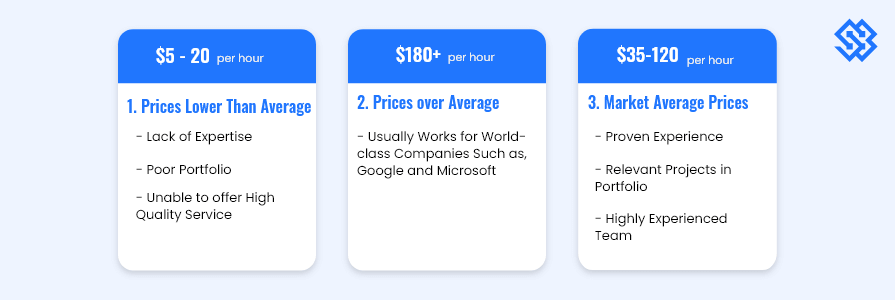
Today’s market is very competitive. You’ll usually see two extremes:
Offering a Very Low Price for Ecommerce Development
You contact “ABC Agency” for a quote and receive a price that looks much lower than the average market rate. It’s tempting to say yes, but there are often reasons their price is so low:
- They don’t have a truly experienced ecommerce team.
- They use low pricing as a hook to win projects, then rely heavily on generic templates.
- Delivery takes a long time — your “simple ecommerce website” takes months longer than expected.
Offering a Very High Price for Ecommerce Development
On the other side, you’ll see proposals where the ecommerce website price looks like a phone number. That’s not ideal either.
However, if a firm charges a price that’s slightly higher than average but offers highly experienced developers and strong customer support, that can be a very good long-term investment.
Quick tip
Always research the typical market price for your ecommerce project scope before signing with any web development agency, firm, or freelancer. It helps you avoid “too cheap to be true” offers and over-inflated quotes that don’t match the value you get.
On-Site vs Freelance vs Outsourced Team: Who Should Build Your Ecommerce Website?
When you decide to build an ecommerce website, one of the first strategic questions is: Who should actually build it? Your choice depends on your goals, timing and budget.
Most merchants compare three options:
- On-site / in-house developers
- Freelance developers
- Outsourced ecommerce development team (specialised agency)
Each option has pros and cons in terms of cost, speed, quality and reliability. For many SMEs and enterprise brands, a specialised outsourced ecommerce team offers the best balance of cost, expertise and flexibility.
How Developer Location Affects Ecommerce Development Cost
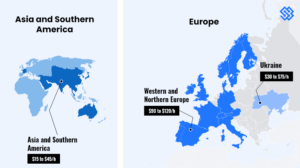
A large part of your total ecommerce website cost is the development time you pay for. Developer hourly rates vary a lot by region.
For example, hiring a reliable ecommerce development team in Asia can be significantly more cost-effective than hiring in North America or Western Europe, without sacrificing quality — as long as you choose a partner with a proven track record, clear communication and strong references.
Many brands reduce their total ecommerce website development cost by combining:
- Strategic leadership and product ownership in their home country
- Specialist development and QA with a trusted offshore or nearshore team
Key Questions to Answer Before You Estimate Ecommerce Website Cost
Before we look at line-item pricing, you need clarity on a few strategic questions. These will shape both your budget and your ROI:
- What kind of ecommerce store do you want to run?
- Are you 100% online, or extending an existing physical store?
- What is your realistic ecommerce development budget?
- How will you handle shipping and fulfilment?
Estimating the true cost of an ecommerce website is a big part of your decision-making process. It helps confirm two things: (1) you’re on the right path to a high-performing store, and (2) you’re not overpaying for unnecessary services and add-ons.
1. What kind of ecommerce store do you want to build?
Before development starts, you should be very clear about the type of store you’re building. There’s a big difference between:
- An ecommerce store selling physical products
- A service-based ecommerce business
- A B2B wholesale portal
- A DTC subscription model
Ask yourself:
- How many products will you sell initially and in the next 12–24 months?
- Will you sell to businesses (B2B), consumers (B2C), or both?
- Do you need multi-store, multi-language or multi-currency support?
The clearer you are in the planning phase, the more accurate and optimised your ecommerce website development cost will be.
2. Are you moving from a physical store to online, or starting online only?
Since 2020, many physical retailers have launched ecommerce stores to expand their reach. Others use hybrid models like BOPIS (Buy Online, Pick Up In-Store).
If you already have an inventory or ERP system, you’ll need an ecommerce platform and development partner that can integrate with it. That integration work directly affects your total ecommerce website development cost in 2026.
3. What is your ecommerce development budget?
When you research ecommerce platforms and features, it’s easy to get distracted by “nice-to-have” designs and add-ons. That’s why you should define a budget range early, based on:
- Must-have features for launch (MVP)
- Nice-to-have features for later phases
- Ongoing marketing and SEO investment
This helps you avoid blowing your entire budget on design and development, leaving nothing for growth.
4. How will you handle shipping and fulfilment?
Shipping strategy also influences ecommerce website cost. You should decide:
- Will you ship locally, nationally, or globally?
- Will you manage fulfilment in-house or via 3PL partners?
- Which shipping and payment options do your customers expect?
Each option may require additional configuration, integrations, and in some cases, third-party apps or extensions.
Ecommerce Website Development Cost Breakdown in 2026 (Item by Item)
It’s impossible for any agency to give an exact ecommerce website price without first understanding your business, goals and requirements. However, we can walk through the main cost components you’ll pay for in 2026 and give realistic ranges.
1. Ecommerce Platform / Software
The cost of your ecommerce platform depends on its features, licensing model and level of flexibility. In 2026, merchants typically choose between platforms like Magento (Adobe Commerce), Shopify, BigCommerce and others.
Magento (Adobe Commerce)
Magento offers both on-premise and cloud-hosted solutions. Many organisations favour cloud or SaaS-style setups for security and ongoing updates.
You will usually need experienced developers or an agency to build and maintain a Magento store, but in exchange, you get one of the most flexible and enterprise-ready ecommerce platforms on the market.
BigCommerce
BigCommerce is a feature-rich, SaaS-based platform that includes hosting in your monthly fee. It’s designed to be easy to manage once your store is set up, even if you don’t have a large in-house technical team.
Shopify
Shopify is popular with both startups and growing brands. You can set up a simple store quickly using drag-and-drop tools and then enhance it later with custom development and apps as you scale.
2. Domain Name Cost
You’ll pay for your ecommerce domain annually (or several years upfront). Depending on the registrar and extension (.com, .shop, .store, etc.), a standard domain typically costs around $2–$20 per year. Premium or aftermarket domains can cost significantly more.
3. Ecommerce Hosting
If you choose a fully hosted platform like Shopify or BigCommerce, hosting is included in your subscription.
If you self-host (for example, Magento on your own server or cloud platform), hosting costs in 2026 typically range from $80 to $730 per month depending on traffic, performance requirements and included services (backups, monitoring, autoscaling, etc.).
4. SSL Certificate Costs
An SSL certificate is mandatory for ecommerce websites. It protects your customers’ data and is a basic trust and ranking factor.
SSL certificates usually cost $20–$70 per year, although some hosts include them for free via providers like Let’s Encrypt. Always make sure your SSL is correctly configured before launch.
5. Payment Processing Costs
Payment processing fees differ by payment gateway and region, but typical examples are:
- PayPal: ~2.9% + $0.30 per transaction (over a certain threshold)
- Stripe: ~2.9% + $0.30 per transaction
- Authorize.net: ~2.9% + $0.30 per transaction + ~$25 monthly fee
Your total ecommerce website cost in 2026 should include an estimate of these per-transaction fees, especially at scale.
6. Store Theme and Design Costs
Most major ecommerce platforms offer both free and paid themes. Premium themes usually range from $60 to $200 as a one-time cost.
If you want a fully custom design and brand experience, you’ll need UX/UI design work on top, which can add several thousand dollars depending on complexity and number of templates.
7. Add-ons, Plugins and Extensions
No matter which platform you choose, you’ll likely need add-ons for extra functionality: advanced search, marketing automation, subscriptions, B2B features and more.
Magento Extensions
Magento has a huge marketplace of extensions. Prices can range from $0 to $15,000 (one-time) depending on functionality. Custom-developed modules can cost more but are tailored exactly to your needs.
BigCommerce Apps
BigCommerce add-ons are typically subscription-based, often between $9 and $350+ per month.
Shopify Apps
Shopify’s App Store includes hundreds of free and premium apps. Pricing varies widely and should be factored into your monthly operating costs.
Ongoing Ecommerce Website Costs to Budget for in 2026
Some ecommerce costs are one-time, but many are ongoing. Plan for the following recurring costs:
- Regular data backups
- Inventory and order management tools
- Security monitoring and updates
- Email marketing platform
- Performance and product marketing
Most of these are monthly or annual subscriptions, so you can forecast them in advance and avoid surprises.
Ecommerce Website Pricing Breakdown (Small, Mid-Size, Enterprise)
Here’s a simplified ecommerce website pricing breakdown for small businesses, mid-size companies and enterprise organisations in 2026:
| Ecommerce Pricing Factor | Small Business | Mid-Size Business | Enterprise Organisation |
| Website Design / Graphics | $5,000 | $15,000 | $35,000 |
| Back-End Programming | $2,000 | $25,000 | $75,000 |
| 3rd Party Integrations | $500 | $8,000 | $20,000 |
| Data Imports | $0 | $5,000 | $10,000 |
| Content Management System | $2,500 | $20,000 | $50,000 |
| Hosting | $500 / year | $6,000 / year | $10,000 / year |
| Ecommerce Website Maintenance | $3,000 / year | $12,000 / year | $60,000 / year |
| SEO & Ongoing Optimisation | $12,000 / year | $50,000 / year | $120,000 / year |
How StageBit Can Help You Keep Ecommerce Website Development Cost Under Control
Planning, building or scaling an ecommerce website in 2026 can quickly become complex. To make sure you invest in the right things — and skip the wrong ones — you need a dependable, performance-focused partner.
StageBit specialises in bespoke ecommerce development on platforms like Shopify, Magento and BigCommerce. We follow an agile development process with clear milestones, frequent demos and transparent communication so you always know where your budget is going.
We can support you with:
- Ecommerce consulting and technical strategy
- Custom store design and UX for higher conversions
- Custom shopping cart and checkout development
- 3rd-party integrations (ERP, CRM, marketing tools, marketplaces)
- Ongoing performance optimisation, security and maintenance
If you’re planning your next ecommerce project and want an honest, transparent view of your ecommerce website development cost in 2026, we’re here to help.
Contact us to request a tailored ecommerce cost estimate or explore our ecommerce website development services.